Historic Harmony, Inc. owns and preserves nine properties
Seven buildings and two cemeteries
From the 1809 warehouse with its wine cellar to a cemetery with a single headstone. The buildings are open only on the guided tour (1:00 and 2:30, Tuesday–Saturday). The outdoor sites are open any time, and most are stops on the walking tour.
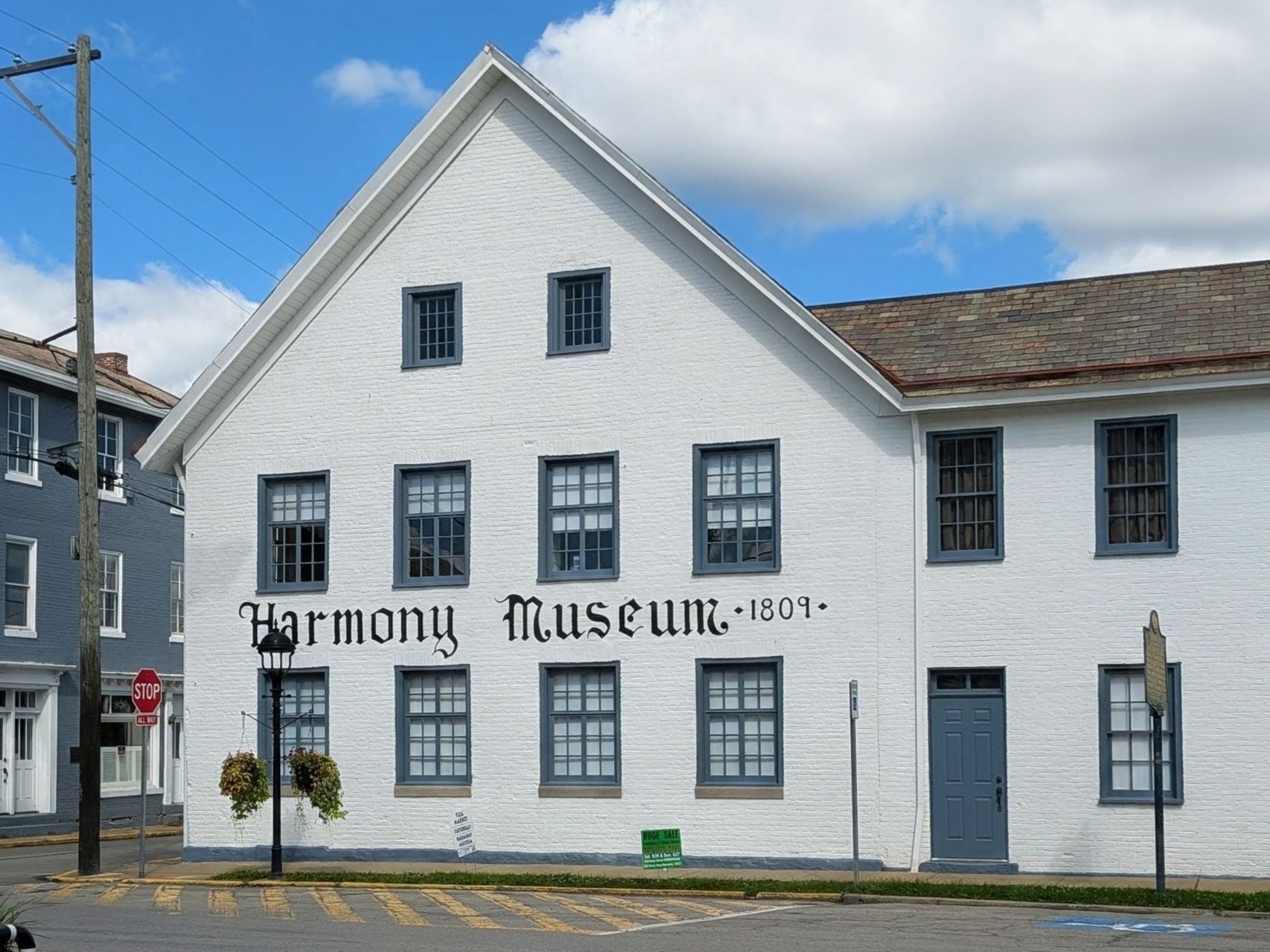
Harmony Museum
1809 · 218 Mercer St · on the tour
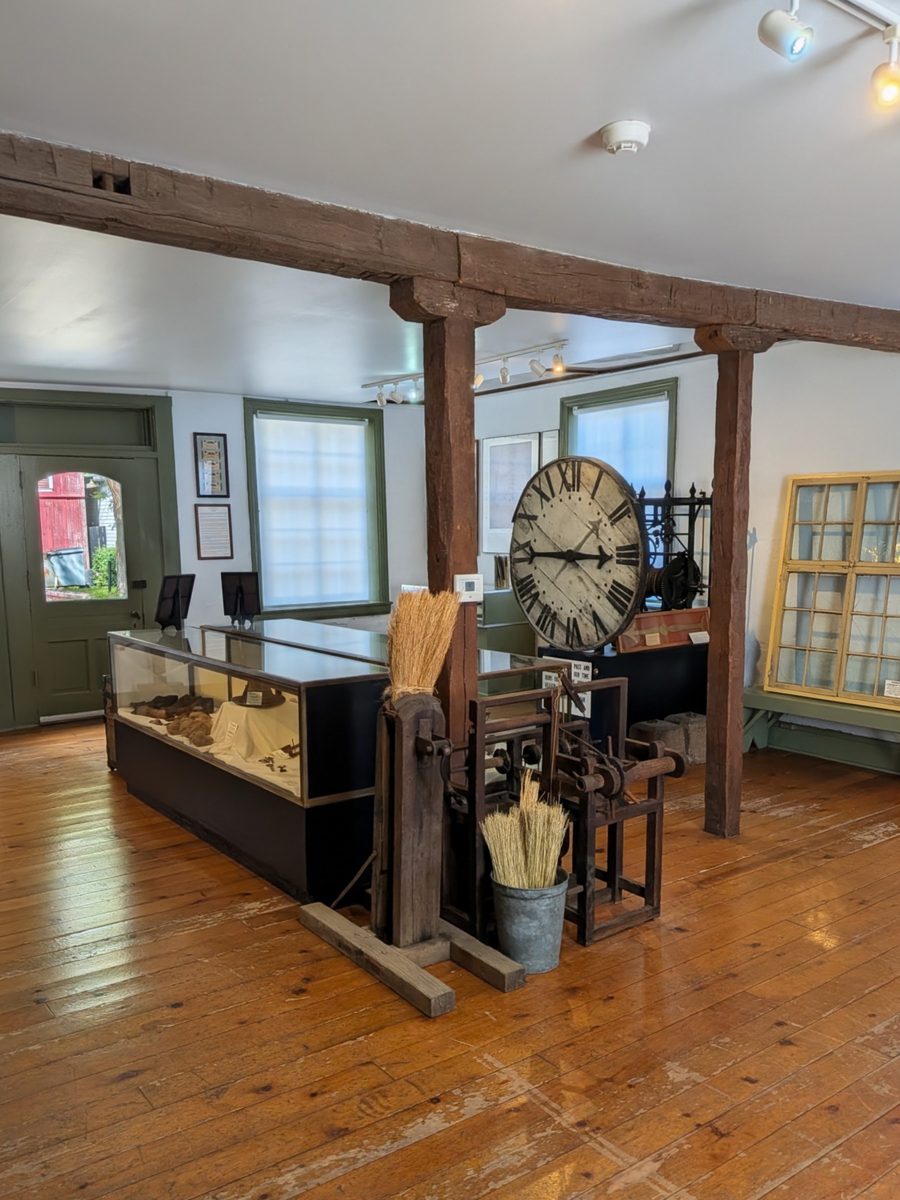
Originally the Harmony Society warehouse with a well-preserved wine cellar, this building serves as the main Harmony Museum. It was built in 1809 from locally made bricks and was expanded several times over the last 200-plus years. The museum hosts the rich local history that includes presentations of George Washington's 1753 mission; the Harmonists; the Mennonites; the Ball Collection of outstanding sporting rifles by 19th-century Harmony gunsmith Charles Flowers; the Harmony Line PHB&NC Railway; and memorabilia of local "Doc" Stewart.
Stewart Hall, attached to the museum, and the wine cellar beneath it are available to rent.
Wagner/Bentel Haus
1812 · 222 Mercer St · on the tour
This duplex was built in the early 1800s for two sisters who were members of the Harmony Society, and their families. Among the interesting construction details that can be seen inside are back-to-back stone fireplaces and cooking hearths.
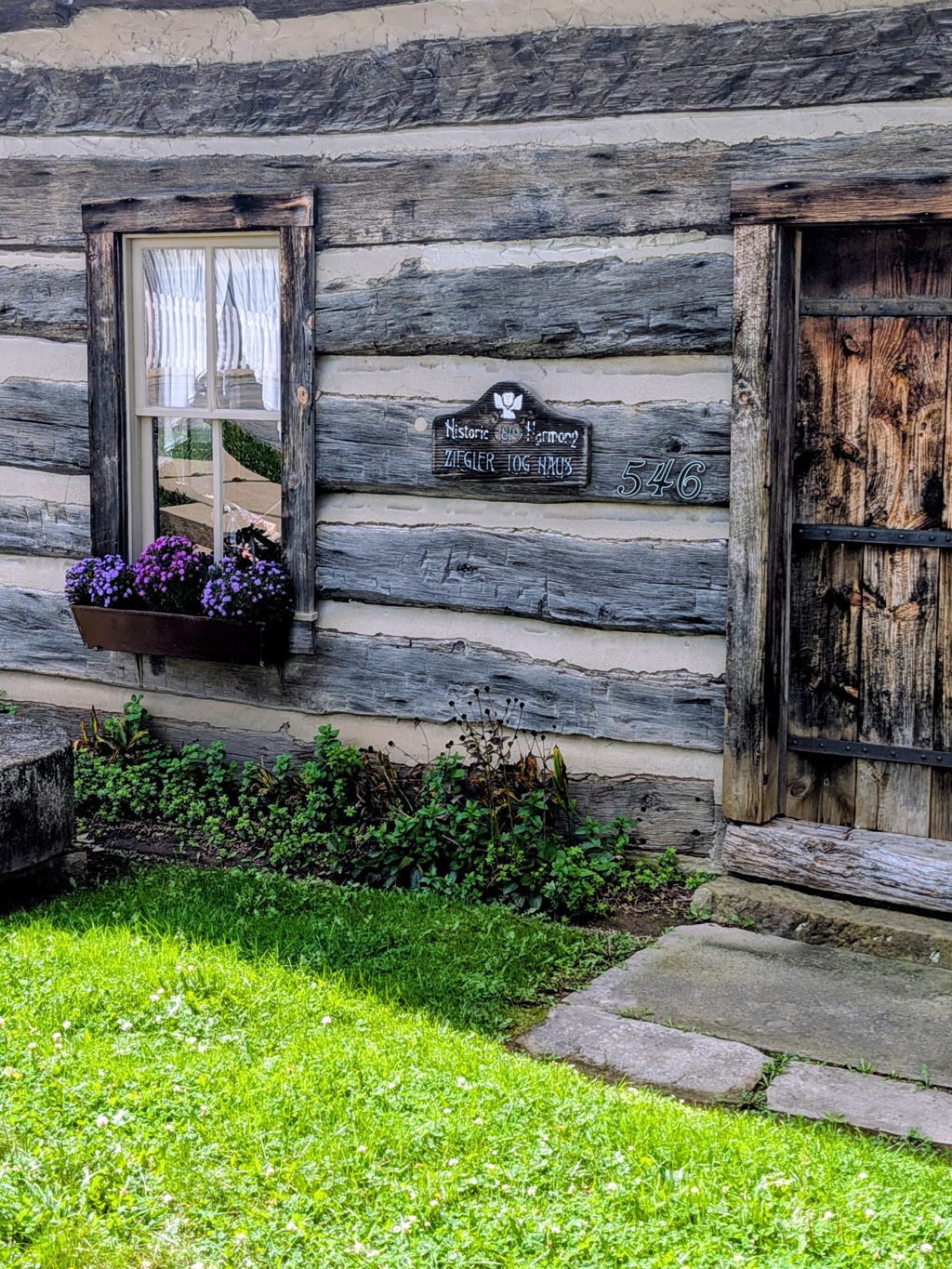
Ziegler Log House
19th century · 546 Main St · on the tour
This reconstructed 19th-century cabin with open fireplace is filled with period furnishings to illustrate Society members' daily life. It is a favorite of children as they try to envision pioneer life.
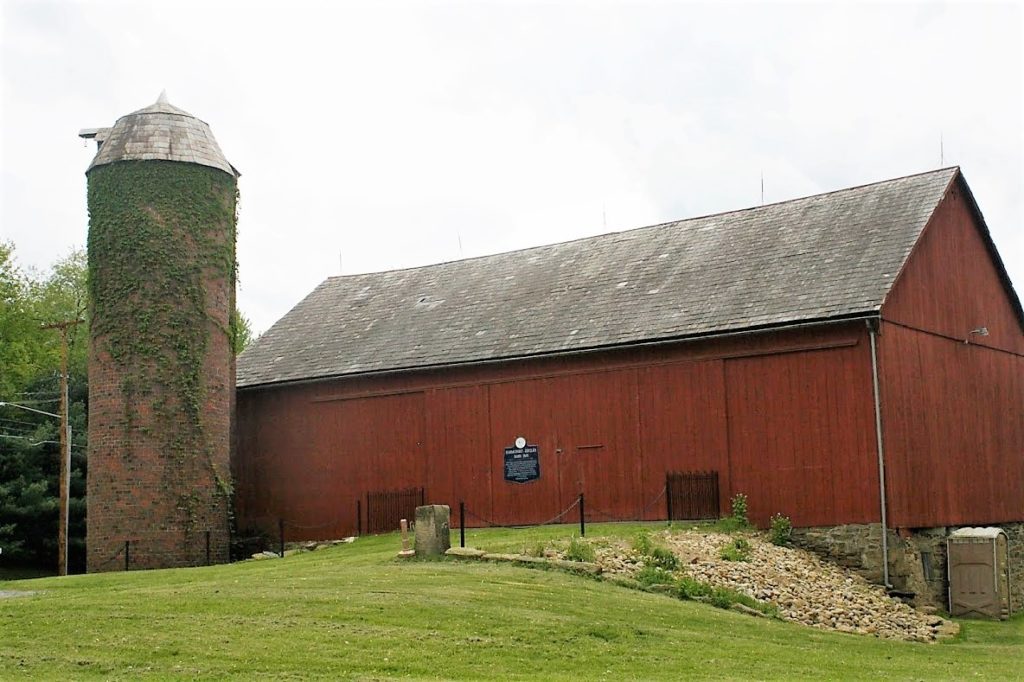
Harmonist/Ziegler Barn
1805 · 303 Mercer Rd · rentals
Built in 1805 as a somewhat lower structure for sheep, the barn was enlarged by Mennonites who bought the property when the Harmonists moved to Indiana. Mennonite farmers extended the roof upward to accommodate the mounds of loose hay needed for their animals. It retains its early-1800s rustic character, and the interior can be seen by appointment. It is a popular location for parties, events and weddings.
Mennonite Meetinghouse and Cemetery
1825 · 114 Wise Rd · National Register · rentals
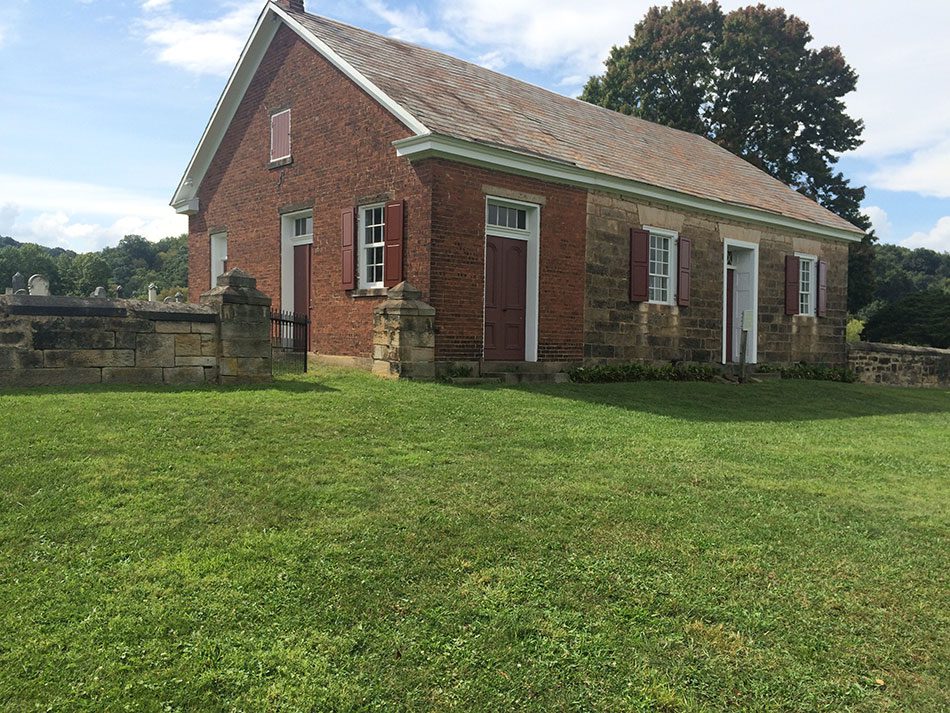
Kept in its original condition by the Harmony Museum, this 1825 building was used as a church, a school and a social center for the Mennonite community headed by Abraham Ziegler. Music played in the small interior resonates more beautifully than in many newer and larger churches. It is also popular for small weddings and intimate concerts. The Mennonite cemetery beside it is the second of the two cemeteries in the museum's care.
Washington 1753 Cabin
c. 1820 · 551 Main St · on the tour · visitor information
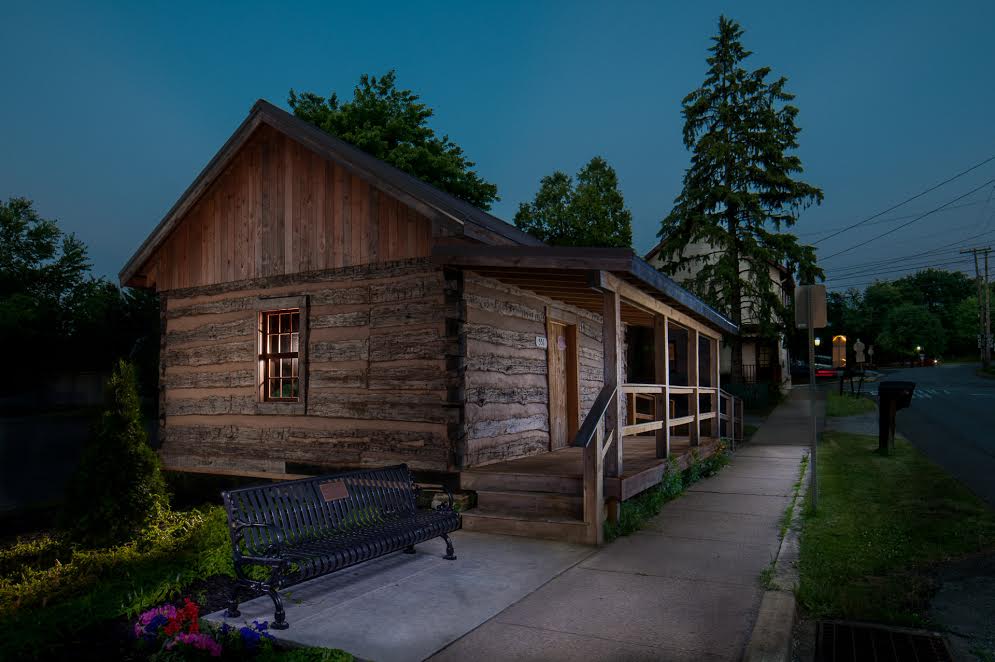
This reconstructed cabin on Main Street was built around 1820 by the Mennonite Ziegler family for one of their sons. It stood on one of several farms between Harmony and Evans City owned by Abraham Ziegler's descendants, and was donated to the Harmony Museum by the Carothers family. Its display tells the story of George Washington's 1753 visit to the area — where the future president was very nearly shot — and posts visitor information and event news for Harmony and the surrounding area.
Harmonist Cemetery
Route 68 at Edmund St · on the walking tour
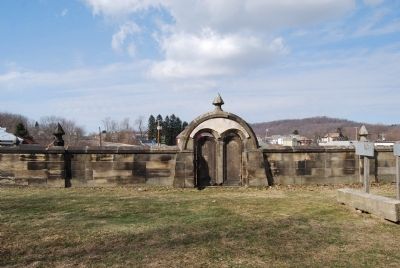
This may be the best known of the museum's properties, thanks to its location along Route 68 where passing motorists see it every day. The stone walls still stand perfectly straight, and the unique gate — shaped to represent the tablets of the Ten Commandments and weighing more than a ton — still turns easily with a push of the hand. More than 100 Harmonists are buried here, but they have no tombstones: they believed they were recognized in heaven and no longer needed recognition on earth. The one marker is not a traditional tombstone but a commemorative stone for George Rapp's son.
Rapp's Seat
Off Evergreen Mill Rd · a short, steep climb · on the walking tour
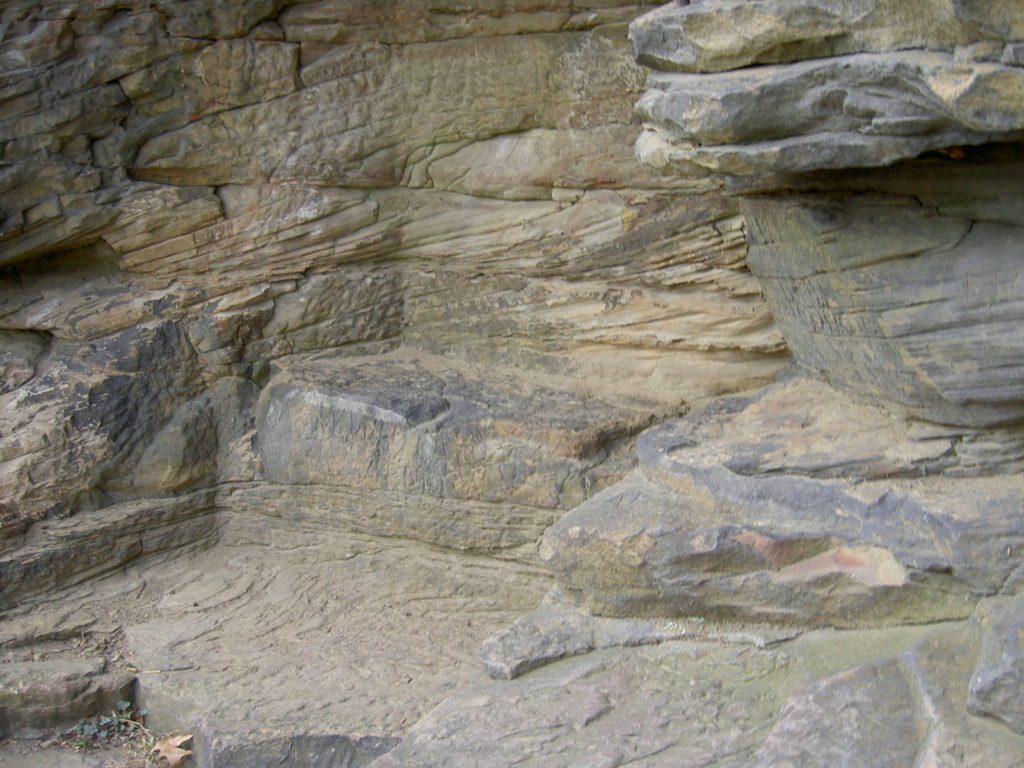
A short, steep climb up a nearby hillside brings the visitor to Rapp's Seat. Father Rapp, head of the Harmony Society, utilized this spot overlooking the town and nearby fields to watch over his "flock" of followers. A wonderful place for quiet contemplation.
Weavers Cabin
245 Mercer St · weaving demonstrations
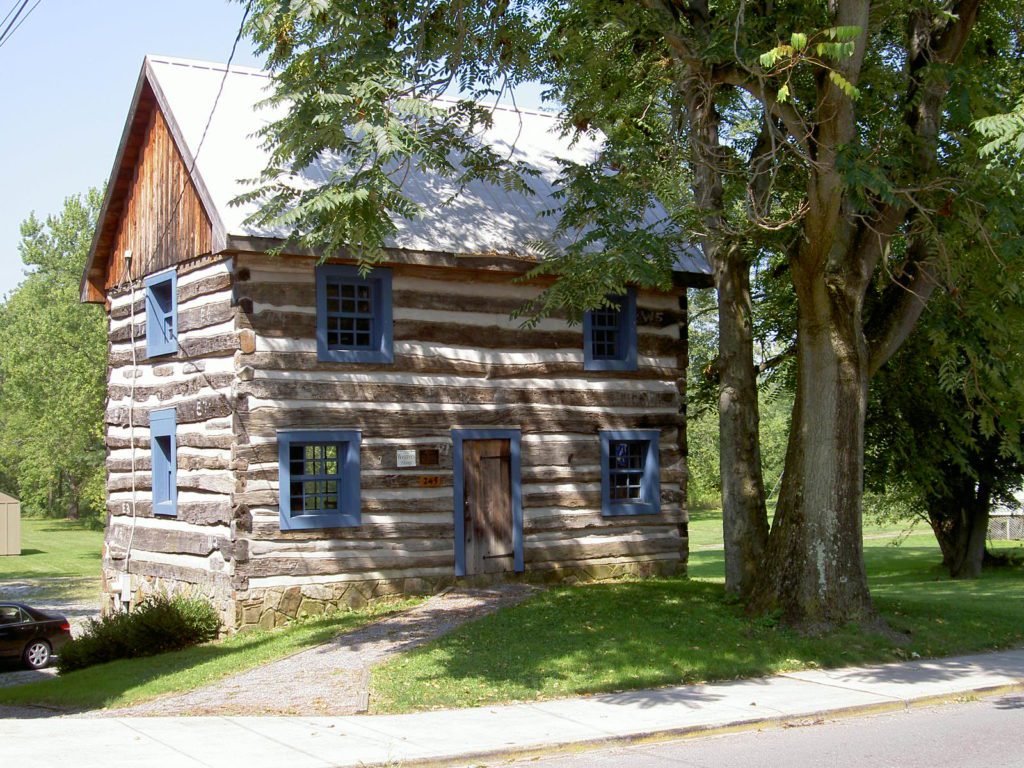
This reconstructed two-story log cabin — almost directly across from the Harmony Inn — houses the Harmony Museum Weavers. The group works on antique and reproduction looms to replicate the goods the Harmonists produced for sale here: quality woolen and linen fabrics, and even silk. Several days a week the weavers demonstrate their art to visitors and sell their wares. The cabin is now rented to the weavers themselves; their hours are posted on the Weavers Cabin of Harmony Facebook page.